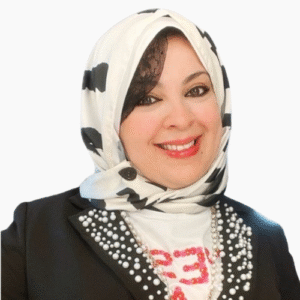
May Freag
Senior Scientist, Nonclinical Safety & Pharmacology (NCSP) Takeda Pharmaceutical
May Freag is a Senior Scientist in Nonclinical Safety and Pharmacology (NCSP) at Takeda, where she leads cross‑functional initiatives to integrate human‑relevant microphysiological systems (MPS) and other NAMs across discovery and development. Her work spans both safety and efficacy, focusing on building immune‑competent organ‑on‑chip models and translational biomarker strategies that illuminate mechanism, quantify functional responses, and prioritize or de‑risk candidates across modalities.
Seminars
Wednesday 13th May 2026
Panel Discussion: Regulatory & Pharma Expectations in the Adoption of NAMs: IQ MPS Affiliate Perspective
3:00 pm
- How pharma teams are collaborating within IQ MPS Affiliate to progress simple and complex in vitro NAM platforms toward regulatory acceptance
- Review insights from recent FDA publication on submitted NAM case examples and reviewer feedback – what works and what can be improved (need for well-articulated context-of-use)
- Discuss the value of a strong regulatory strategy: Suggestions for the qualification of alternative approaches leveraging toxicology data, statistical modelling, and AI – based on VICT3R experience
- Gain practical guidance for integrating in vitro and in silico NAMs into toxicology packages without over-claiming translatability
- What industry needs from consortia, regulators, and data-sharing frameworks to accelerate adoption of novel platforms covering diverse mechanisms of injury
Wednesday 13th May 2026
Applying Liver MPS Technologies to Improve Preclinical DILI Prediction
1:30 pm
- Demonstrate how liver microphysiological systems improve mechanistic understanding and human relevance in assessing drug‑induced liver injury
- Present case studies where liver MPS provide earlier or more predictive detection of hepatotoxic liabilities compared with traditional in vitro assays
- Highlight translational biomarkers and functional readouts from MPS that strengthen decision‑making in preclinical safety assessment